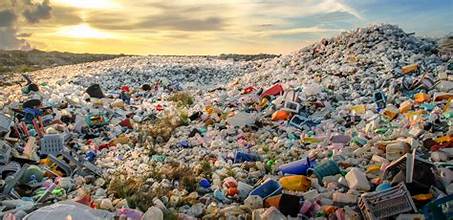
It’s a startling statistic: nearly 600 billion plastic bottles were produced worldwide in 2021, resulting in around 25 million tons of plastic waste — most of which was not recycled and ended up in landfills. As detailed in a 2023 report by the United Nations University Institute for Water, Environment and Health, the waste pile generated is “so gargantuan that it would be enough to fill a line of 40-ton trucks stretching from New York to Bangkok every year.” But plastic bottles pose risks beyond their impact on the environment. They have greater consequences on the health and well-being of consumers and deplete natural resources.
Here are a few issues to consider, the next time you take a sip from that plastic…
Microplastic Ingestion: Over time, plastic bottles can degrade, leading to the release of tiny plastic particles called microplastics into the water. When consumed, these microplastics can accumulate in the body and potentially cause inflammation, oxidative stress, and other health problems. The long-term effects of microplastic ingestion are still being studied.
Chemical Leaching: Some plastic water bottles contain chemicals such as bisphenol A (BPA), phthalates, and antimony, which can leach into the water, especially when exposed to heat or sunlight. These chemicals are potential endocrine disruptors and may have adverse health effects, including hormonal imbalances and developmental issues.
Environmental Pollution: Plastic water bottles contribute significantly to environmental pollution. They are a major source of plastic waste that ends up in landfills, oceans, and waterways, where they persist for hundreds of years without fully degrading. This pollution harms wildlife, ecosystems, and human health through contamination of soil, water, and food chains.
Resource Depletion: The production of plastic water bottles requires the extraction of finite natural resources, including petroleum and natural gas, which are used as raw materials for plastic production. Additionally, significant amounts of water and energy are consumed during the manufacturing process. This contributes to resource depletion, energy consumption, and greenhouse gas emissions, exacerbating environmental degradation and climate change.
Social and Economic Impacts: The production and consumption of plastic water bottles can have social and economic impacts, particularly in regions where water sources are privatized for bottling purposes. This can lead to conflicts over water access and distribution, exacerbating inequalities and disadvantaging communities, particularly those already facing water scarcity or contamination issues.
Bottled water companies promote an image of health and wellness, yet it is abundantly clear that all that plastic has a dangerous impact on the health of consumers and the world we inhabit. There are even inherent risks involved in consuming water from traditional 5 gallon plastic water jugs found in many offices. Did you know there is great opportunity for water contamination from the moment of water injection at the factory to the time the bottle is unsealed and lifted into the cooler? This common problem can occur due to germ contamination from the user’s hands which unseal the bottle or even from the bacteria build-up within your cooler due to improper maintenance.
Our best in class systems transform your tap water through a four-stage purification process (including reverse osmosis), to provide pure, clean, refreshing, great tasting drinking water. The reasons to go “bottleless” are many—and Michigan Clear Water has an environmentally friendly solution for every budget. Your office deserves convenient, healthy and cost-effective water without the plastic waste. Why not make the switch to Michigan Clear Water and taste the difference today?