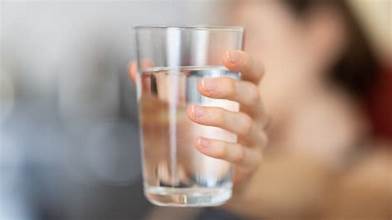
Have you ever had the perfect glass of water? What made it so delicious? It was probably a combination of different factors including temperature (most of us love ice cold water) mouth texture and taste, or lack there of it. But did you know that water sommeliers (yes, that IS a real job title) and scientists have identified specific criteria in defining what makes water taste good?
Here’s what we know:
The presence (or lack of) of TDS (Total Dissolved Solids): TDS represent the total concentration of dissolved substances in water. These substances include inorganic salts, such as calcium, magnesium, potassium and sodium, as well as carbonates, nitrates, bicarbonates, chlorides and sulfates. The more Total Dissolved Solids, the heavier the taste of the water and the more prominent mouthfeel. The EPA sets only general guidelines for TDS, known as secondary standards, which means that local and city governments are not required to regulate the amount of these contaminants in water. The EPA claims that high levels of TDS in drinking water have no impact on public health and only impacts drinking water aesthetically, such as taste, color, and odor. But the World Health Organization believes that high levels of TDS, especially in water that has been impacted by human pollution, can contain iron, manganese, sulfate, bromide and arsenic, which may be dangerous to humans.
The source of the water: The source of the water, as well as how it is transported to your home or office, impacts the taste. Tap water is treated with fluoride, which can alter the taste. In addition, the type and age of the pipes (copper, for example) may change the taste of the water. Spring water is sourced from a natural freshwater spring, often in a mountainous region with a lot of clean runoff from snow or rain. Minerals collected as the water flows down mountains and across soil can affect the taste. Well water is sourced from underground aquifers deep in the soil. It’s usually filtered, but the high concentration of soil minerals can still influence how it tastes.
Your own biology: The receptor cells on your tongue (taste buds!) process the food we eat for different “taste qualities”, in turn activating the part of the brain associated with sensing bitter, sweet, salty, sour and umami. While water is not directly associated with these sensors, researchers have established a correlation between drinking water activating sour taste bud receptor cells. Further, research indicates that while water may not have a universally defined taste, the human tongue can quickly identify “bad tasting” water. Potentially contaminated water may trigger the bitter and umami receptors on the tongue, signaling to the brain that it may not be safe to consume. Finally, taste preferences for water can be influenced by environmental and cultural factors. People may have variations in taste perception due to regional water differences or conditioning by the taste of other beverages that they consume.
Chlorine: The United States uses chlorine to disinfect and clean the nation’s tap water, killing potential bacteria and pathogens that might make us sick. This can result in a bleach or “pool water” taste. But the use of this powerful chemical may have a potentially dangerous downside. According to a report from the U.S. Council of Environmental Quality, the cancer risk for people who drink chlorinated water is up to 93% higher than for those whose water does not contain chlorine.
Michigan Clear Water offers a variety of affordable, state of the art purification systems that will provide your office with delicious tasting drinking water. Our bottleless water coolers remove Total Dissolved Solids (TDS) with a TFC Reverse Osmosis membrane. We can come to your office and measure the amount of TDS in your current drinking water. Our systems transform standard tap water into delicious drinking water with two levels of carbon filtration, one that blocks organics such as chemicals solvents and chlorine and another that polishes the water for a great tasting finish. Are you craving that perfect glass of water? We’ve got that! Reach out to Michigan Clear Water and taste the difference today!
