With the month of August ( National Water Quality Month ) in our rearview mirror, it reminded us how easy it is to take clean drinking water for granted. When we turn on the tap and fill a glass, we often assume the water is as pure as it appears.
But tap water can have a mix of natural minerals, treatment byproducts, and other contaminants that differ from place to place. Municipal water systems aim to provide safe water, but “safe” does not always mean it is free from all unwanted substances.
As we move into September, hydration remains an important part of everyday health and wellness.
Knowing what may be in your tap water – and what options are available to improve its taste and quality – is a practical first step toward making more informed choices about the water you drink each day.
What impurities are commonly found in drinking water?
Your drinking water might have minerals, disinfectants, metals, bacteria, sediment, pesticides, industrial chemicals, or byproducts from treatment. What’s in your water depends on where you live, your water source, the age of your pipes, and how your utility treats the water.
Not all impurities are a health risk, and many are present at levels allowed by regulations. Still, many people choose extra filtration for better taste, fewer contaminants, and peace of mind. Knowing what’s in your water helps you decide if it meets your family’s needs.
Common Impurities Found in Drinking Water
Chlorine and Chloramines
Municipal water suppliers often add chlorine or chloramines to kill harmful germs before water reaches your home. While these disinfectants help protect public health, they can also leave a taste or smell that some people don’t like.
Chlorine fades from water fairly quickly, but chloramines stay longer and are harder to remove without special filters.
Lead
While many public water systems have replaced aging infrastructure, older homes may still have lead service lines, solder, or plumbing fixtures that introduce lead after treated water leaves the municipal system.
Since lead contamination often happens inside home plumbing, two houses next to each other can have different lead levels even if they get water from the same utility.
Arsenic
Arsenic is a naturally occurring element. Arsenic is a natural element found in some soils and rocks. Over time, groundwater can absorb small amounts, especially in certain parts of the United States. Arsenic levels have been linked to several health concerns, which is why monitoring and filtration are important where arsenic is present.
Nitrates
Nitrates usually get into groundwater from farm runoff, fertilizers, and septic systems. Rural areas that use wells can be especially at risk.
High nitrate levels can be a health risk, especially for babies, so regular water testing is an important part of well care.
PFAS (“Forever Chemicals”)
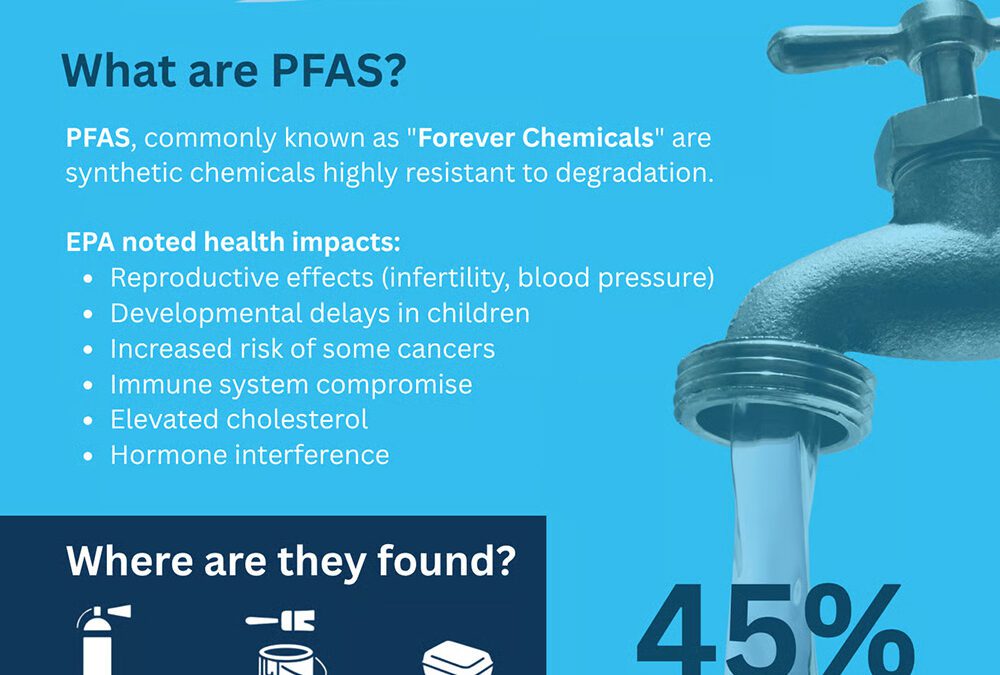
PFAS are a group of artificial chemicals. PFAS have been used for years in products that resist heat, grease, and water. They’re found in water supplies nationwide because they break down very slowly in the environment. Long-term health effects are a concern, and many homeowners are seeking filtration systems specifically designed to reduce PFAS.
Sediment and Rust
Not all impurities are hidden. Sediment, sand, rust, and other debris can get into water from old pipes or changes in the water system.
Hard Water Materials
Although these materials are often more of a nuisance than a health concern, they can make water look cloudy, leave marks on fixtures, and wear out appliances faster. That is commonly known as hard water.
Hard water isn’t generally considered unsafe to drink, but it can leave scale buildup on plumbing fixtures, reduce appliance efficiency, and make soaps and detergents less effective.
How Can You Find Out What’s in Your Water?
One of the easiest places to start is the Environmental Working Group’s Tap Water Database. By entering your ZIP code, you can view information about your local water utility, including contaminants that have been detected during testing and how those levels compare with both federal standards and health guidelines.
The database also explains where various contaminants come from and why they may appear in drinking water. Whether you’re simply curious or considering additional filtration, it provides valuable insight into the quality of the water delivered to your home.
Keep in mind that if your home has older plumbing, your household water may differ from what’s reported by your local utility. Private well owners should also have their water tested regularly, since wells are not regulated in the same way as municipal systems.
How Does a Bottleless Water System Help Improve Drinking Water?
Bottleless water systems provide fresh drinking water by filtering it straight from your tap, so you don’t need to rely on delivered water bottles. They use filtration, including sediment filters, activated carbon filters, reverse osmosis membranes, and ultraviolet (UV) purification, depending on the model. Together, these technologies can reduce many common contaminants while improving taste, odor, and overall water quality.
Instead of storing heavy bottles or waiting for deliveries, you get a steady supply of filtered water whenever you want it.
Besides being convenient, bottleless systems help cut down on plastic waste, free up storage space, and give you a steady supply of good water all day long.
Related Water Quality Questions
Does tap water contain contaminants even if it meets EPA standards?
Yes. Even if your water meets federal standards, it can still have small amounts of some contaminants within legal limits. Some people choose extra filtration for taste, health, or personal preference.
How can I check my local water quality?
You can check your community’s annual Consumer Confidence Report and use the Environmental Working Group’s Tap Water Database by entering your ZIP code. The database gives detailed information about contaminants found in many public water systems.
Is a bottleless water cooler better than bottled water?
For many homes and businesses, bottleless systems are more convenient because they give you filtered water whenever you need it, without heavy bottles. They also help cut down on single-use plastic and delivery costs.
Do I still need a filter if my water looks clean?
Just because water looks clear doesn’t mean it’s free of contaminants. Many things like lead, PFAS, nitrates, and chlorine byproducts can’t be seen, tasted, or smelled. Testing and the right filters give you a better idea of your water’s quality.
Take Control of Your Water Quality
Following on the heels of August, the month of September is a timely opportunity to learn more about something you use every day but rarely think about: your water. While municipal water treatment has made tremendous advances, water quality can still vary depending on location, infrastructure, and local environmental conditions.
For families and businesses looking for a convenient, sustainable source of cleaner drinking water, a bottleless water system offers an effective way to reduce many common impurities while providing fresh, great-tasting water whenever it’s needed.
Bring Better Water into the Workplace
Michigan Clear Water can help you compare premium bottleless water cooler systems with cold, hot, sparkling, touchless, and ice-on-demand features. Dependable systems such as the PW70 and PW90 have a lot to offer and are worth looking into.
With locations in Wixom and Brighton, our knowledgeable sales associates can recommend a system that fits the way your team uses drinking water while staying within your budget. Contact us to start your Free Bottleless Trial today!